

No products in the cart.
What Are Whole Melt Extracts? (FULL-MELT BUBBLE HASH EXPLAINED)
Whole melt extracts—often called full-melt bubble hash or simply full melt—are top-tier solventless concentrates made by gently separating ripe trichome heads from cannabis using ice water agitation and fine mesh sieves (micron screens), then drying them to preserve fragile aromatics. The “whole melt” nickname comes from the way elite-grade hash melts completely on a hot surface, leaving little to no residue when dabbed, signaling exceptionally clean resin heads with minimal cuticular wax and plant contaminants. Unlike solvent-based extracts (e.g., BHO, PHO), whole melt relies purely on mechanical separation—no hydrocarbons—so the concentrate’s purity and flavor come down to cultivar selection, harvest window, wash technique, micron selection, and careful drying/curation. In practical terms, consumers choose whole melt to experience a cultivar’s true terpene fingerprint and a buttery-smooth mouthfeel that’s hard to match, especially at low dab temperatures where volatile monoterpenes shine. Because full melt demands premium input and extraordinary craftsmanship, it’s typically graded 5-star to 6-star, with 6-star representing near-perfect melt and clarity. You’ll see microns like 70–73u, 90u, 120u highlighted on jars or menus; these indicate screen sizes used to isolate resin heads, and certain ranges (often 90u “creme” in many cultivars) can deliver an ideal balance of melt, potency, and flavor. For many connoisseurs, whole melt offers the most “live” expression of a strain short of smoking the flower itself—only with heightened potency and remarkably clean combustion that underscores why it’s widely considered the pinnacle of traditional hash.
How Whole Melt Extracts Are Made (ICE WATER HASH WORKFLOW & MICRON SELECTION)
Producing true whole melt is an exercise in restraint, cleanliness, and patience:
Input Material (Fresh Frozen vs. Cured):
Top producers start with fresh frozen flower harvested at peak ripeness or exceptionally cured material stored in optimal conditions. Fresh frozen preserves volatile terpenes and delicate esters; cured inputs can amplify deeper, rounder notes. Cultivar choice matters—some strains wash heavy and produce glassy melt; others are aromatic but stubborn in the vessel.Ice Water Agitation:
Trichome heads become brittle in near-freezing water and snap off with gentle agitation. Over-agitation risks contaminating the hash with plant particulates. The goal is to liberate intact heads without pulverizing the material.Micron Sieving (Screen Stack):
The wash is passed through stacked filter bags (e.g., 220u down to 25u). Fractions like 120u/90u/73u are commonly collected. Melt purists often favor 90u or 73u for their balance of head size, oil content, and flavor, but strain-dependent results are the rule.Drain, Spoon, and Dry (Freeze-Dry Preferred):
Wet hash—aka hash patties—contains trapped moisture that can ruin flavor or invite microbials if not removed. Freeze-drying (lyophilization) is the modern gold standard, pulling water at low temps to lock in terp integrity. Properly dried hash forms sandy or greasy granules that press into a patty or remain as cold-cured micro-granules.Cure and Grade:
After drying, makers cure at stable temps to let terpenes settle and texture equilibrate. A melt test (visual and functional) helps determine star rating. 6-star should puddle into a glassy, translucent pool with negligible residue.
Why Microns Matter ( MICRON GRADES FOR WHOLE MELT EXTRACTS):
Micron ranges approximate trichome head diameters. The sweet spot often lives around 73u–120u, but it’s cultivar-specific. Smaller fractions (25u–45u) can be rich in terpenes but less oily; larger (150u+) may capture caps and some stalks. Elite producers blend fractions to optimize melt, potency, and mouthfeel for a given strain’s resin.
Whole Melt vs. Rosin vs. Hydrocarbon Extracts
Whole Melt (Full-Melt Bubble Hash):
Pure mechanical separation; melts to a clean puddle; offers extremely authentic strain expression. Best at low temp dabs. Limited yields and high labor drive premium pricing.
Rosin (Hash Rosin or Flower Rosin):
Pressed under heat and pressure—no solvents. Hash rosin starts with bubble hash; flower rosin starts with buds. Often easier to handle than sandy melts, still solventless, and highly flavorful.Hydrocarbon Extracts (e.g., BHO):
Use solvents to dissolve cannabinoids/terpenes, then purge. Can deliver high potency and saucy textures at scale, but relies on post-processing to remove residual solvent.
Takeaway for buyers: If purity, terp nuance, and clean melt are your top priorities—and you’re comfortable with careful storage and low-temp technique—whole melt is the connoisseur’s pick. If you want solventless convenience and slightly more stability, look to hash rosin. If you prioritize availability and variety, hydrocarbon extracts offer breadth (but read lab tests carefully).
Dabbing Whole Melt Extracts (IDEAL TEMPERATURES, TOOLS, AND TECHNIQUE)
Target Temperature: For terp preservation and a smooth experience, aim roughly 450–520°F (232–271°C). Below ~450°F some melts may under-vaporize; above ~520–540°F you risk scorching, losing volatiles, and increasing residue.
Tools & Prep:
Clean, heat-retentive banger (quartz preferred), a precise temp reader (or a consistent timing routine), and a quality carb cap.
Cold-start or temp-controlled e-rig methods work beautifully for full-melt, minimizing terp burn-off.
Use small dabs—whole melt is potent and melts fully; overloading can flood the surface and reduce vapor quality.
Technique Tips (KEYWORD: LOW TEMP DABS FOR FULL-MELT HASH):
Pre-heat to your target, allow a short cool-down if torching, then cap promptly.
Swab and maintain the banger between dabs; residue signals either temp too high, over-agitation in washing, or non-melt fractions mixed in.
Storing Whole Melt Extracts (TERP & TEXTURE PRESERVATION)
Whole melt is as fragile as it is flavorful. Treat it like a fresh pastry:
Airtight, small headspace jars minimize oxygen exposure.
Cool, dark storage (wine-cellar temps) slows terp evaporation; avoid repeated freeze-thaw cycles.
If freezing for long-term, vacuum-seal (or double-jar), portion single-use sizes, and thaw slowly to reduce condensation.
Keep desiccants out of the jar (they can strip aromatics).
Always use clean, cold tools to avoid melting/grinding the granules with warm fingers.
Quality Signals & Red Flags (HOW TO BUY THE BEST WHOLE MELT EXTRACTS)
Positive Signals:
Transparent sourcing: cultivar, harvest date, wash date, micron range, and cure details.
Clean melt demo: brand footage or third-party reviews showing puddle-clear melt.
Consistent granule texture: sandy/greasy with fresh, vibrant aroma; no chlorophyll funk.
Third-party testing: validated cannabinoid potency, terpene profile, moisture %, and microbial screening.
Red Flags:
Vague labels, no micron info, no cure notes.
Harsh nose (hay/grass) or muted aroma suggests poor dry/cure or oxidation.
Dark, sludgy melt that leaves heavy residue can indicate contamination or lesser-melt fractions.
Whole Melt Extracts Near Me
If you’re optimizing an e-commerce or dispensary site, build city/region landing pages with NAP consistency and structured data. Include store menus, melt grade notes, and micron callouts. Add FAQ blocks answering “What is full melt?” “Which microns do you carry?” and “Do you offer low-temp dabbing accessories?” Target modifiers: “near me,” “[city] full melt,” “best whole melt [city],” “6-star hash [city].” Internally link from this hub guide to each regional page for a strong topical cluster.
Whole Melt Extracts vs. Live Rosin (WHICH SHOULD YOU CHOOSE?)
Both are solventless and delicious. Whole melt preserves the unpressed character of resin heads—pure melt with minimal processing beyond wash and dry. Live rosin (hash → press) can be more stable, easier to handle, and slightly more shelf-forgiving. Flavor differences are cultivar-dependent; some enthusiasts find melt to be brighter and more “sparkling” at low temps, while rosin can feel denser and jammy. If you value ritual and the pinnacle of clean puddle melt, choose whole melt; if you want solventless convenience with similar flavor, rosin is a strong alternative.
FAQ
What is full-melt bubble hash?
A solventless concentrate that melts fully with minimal residue, made via ice water separation and careful micron selection.
Is whole melt the same as 6-star hash?
“6-star” describes melt quality (nearly residue-free). Many whole melt jars are 5–6 star, but grading can vary by producer.
What microns are best for whole melt?
Often 73u–120u—especially 90u—but it’s strain-dependent. Always read the jar and reviews.
What’s the best dab temperature for whole melt?
Aim ~450–520°F to preserve top notes and achieve a clean puddle.
How should I store full-melt hash?
Airtight, cool, dark, with minimal oxygen. Avoid frequent freeze-thaw.
Whole melt vs rosin—what tastes better?
Depends on cultivar and processing. Many connoisseurs prefer whole melt for max nuance at low temps; others love rosin for stability and ease.
Why is full-melt so expensive?
Premium inputs, low yields, meticulous washing/drying, and strict quality control raise costs.
Can I press whole melt into rosin?
Yes—many do. But pressing changes texture (and sometimes nuance). If you bought it for melt, dab it as melt.
How do I know if it’s real full-melt?
It should pool clear, leave little residue, and deliver vivid terp aroma. Check lab tests and trusted reviews.
Does whole melt get you higher than flower?
It’s a concentrate, so it’s typically more potent than smoking flower. Start with small dabs.
Compliance & Responsible Use
Only purchase where legal and regulated. Follow age restrictions, possession limits, and local laws. Avoid driving or operating machinery after consumption. If you have health questions, consult a medical professional; this guide is for education, not medical advice.
Internal Linking Strategy (TO BUILD A TOPICAL CLUSTER)
Link this guide to:
Micron Explainer: “73u vs 90u vs 120u—Which Melt Wins for Your Cultivar?”
Temperature Guide: “Low-Temp Dabbing: 450–520°F for Terps & Clean Melt”
Storage Guide: “Freeze-Dry, Cold-Cure, and Long-Term Melt Preservation”
Comparison Hubs: “Whole Melt vs Rosin,” “Solventless vs Hydrocarbon,” “Fresh Frozen vs Cured”
Regional Pages: “Whole Melt Extracts in [City/State]” with store hours, inventory, and map embeds
Sale!
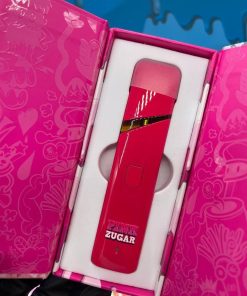
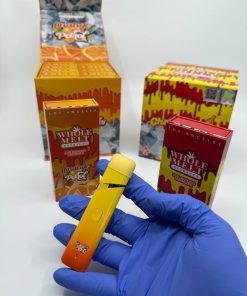
Disposable vape pen
Whole melt extracts 2g Liquid diamond x live resin disposable
Original price was: $30.00.$25.00Current price is: $25.00.
Sale!
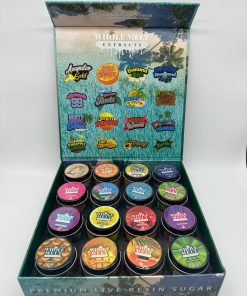
whole melt extracts
Original price was: $210.00.$200.00Current price is: $200.00.
Sale!
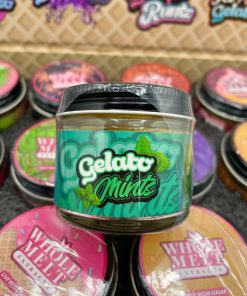
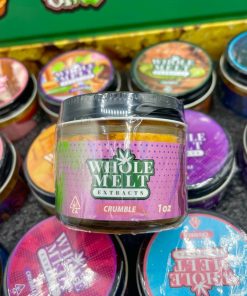
whole melt extracts
Original price was: $250.00.$210.00Current price is: $210.00.
Sale!
Out of stock
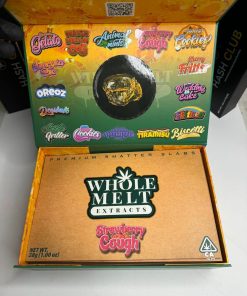
whole melt extracts
Original price was: $180.00.$150.00Current price is: $150.00.
Sale!
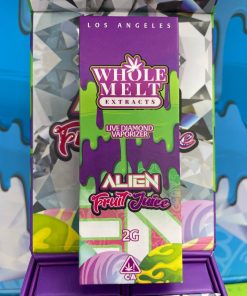
Disposable vape pen
Original price was: $25.00.$18.00Current price is: $18.00.