

No products in the cart.
Edibles: The Complete Guide to Cannabis-Infused Treats
Introduction to Cannabis Edibles
Cannabis edibles have grown from a niche indulgence into one of the fastest-growing segments in the cannabis industry. For decades, cannabis was primarily associated with smoking or vaping, but the rise of edibles has opened new possibilities for both recreational users and medical patients. Edibles are food and drink products infused with cannabinoids, typically THC, CBD, or a blend of both, offering consumers a smoke-free and discreet alternative to traditional methods of consumption.
The demand for edibles has skyrocketed as legalization spreads across the globe. Modern edibles are no longer limited to homemade brownies of uncertain potency. Today, consumers can choose from a wide variety of professionally manufactured gummies, chocolates, infused beverages, baked goods, syrups, and even gourmet dishes. With precise dosing, lab testing, and innovative flavor profiles, cannabis edibles now rival conventional confections in quality and taste.
For medical cannabis patients, edibles offer a reliable way to manage chronic pain, anxiety, insomnia, and other health conditions. For recreational users, they deliver a long-lasting and often more intense experience than smoking or vaping. This combination of therapeutic benefits and enjoyable effects has solidified edibles as a central player in modern cannabis culture.
The Evolution of Edibles
The history of edibles stretches back centuries. Ancient civilizations used cannabis in teas, tinctures, and food preparations for both spiritual and medicinal purposes. In India, cannabis-infused drinks like bhang have been consumed during festivals such as Holi for hundreds of years. In the Middle East, early recipes combined hashish with spices, nuts, and honey, giving rise to confections like majoun, which were enjoyed for relaxation and ritual practices.
Fast forward to the Western world in the 20th century, and edibles gained notoriety during the counterculture movement of the 1960s. “Pot brownies” became a cultural symbol, immortalized in books, films, and music. However, these homemade treats often carried unpredictable potency, making them both exciting and risky.
Today, advancements in extraction technology and culinary science have transformed the edible landscape. With precise measurements of THC and CBD, consumers can confidently enjoy products that deliver consistent effects. Regulatory standards now enforce safety, child-resistant packaging, and clear labeling, further legitimizing the edible market.
Types of Cannabis Edibles
One of the main reasons for the popularity of edibles is the sheer diversity of products available. Below are some of the most common and in-demand categories:
1. Gummies and Candies
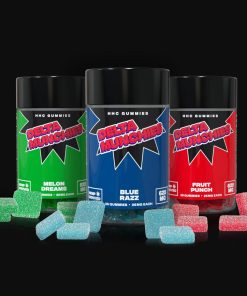
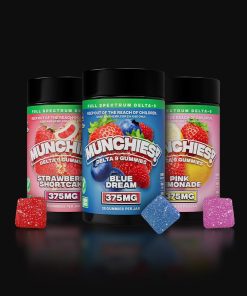
Cannabis gummies are among the most popular edible products. They come in assorted flavors, shapes, and potency levels, offering a discreet and convenient way to consume THC or CBD. Gummies are appealing because they provide consistent dosing and a familiar candy-like experience.
Beyond gummies, hard candies, lozenges, and mints infused with cannabis provide a fast-acting option due to sublingual absorption, where cannabinoids enter the bloodstream through the tissues under the tongue. This reduces the onset time compared to traditional edibles that rely solely on digestion.
2. Chocolates and Baked Goods
Chocolate and cannabis are a natural pairing. Infused chocolate bars, truffles, and cookies blend indulgence with potency, appealing to consumers who prefer a decadent experience. Cannabis brownies remain iconic, but today’s market also includes gourmet options crafted with artisanal chocolate and premium extracts.
Baked goods such as muffins, cakes, and pastries also dominate the edible scene. These products often appeal to consumers looking for a traditional “home-baked” style edible with carefully balanced flavor and effect.
3. Beverages
Infused drinks are one of the most innovative categories in the edible industry. From sparkling waters and teas to energy drinks and cocktails, cannabis beverages provide a refreshing alternative. Nano-emulsification technology has improved the onset time of infused beverages, with effects kicking in much faster compared to traditional edibles.
For social settings, cannabis beverages allow consumers to replace or complement alcoholic drinks while enjoying a controlled and often milder experience.
4. Capsules and Tablets
For medical patients or those who prefer a pharmaceutical-like approach, cannabis capsules and tablets provide precise dosing with minimal fuss. These edibles are discreet, portable, and ideal for individuals seeking therapeutic benefits without the sugar, calories, or flavors of other edible forms.
5. Savory Infused Foods
While sweets dominate the market, savory edibles are gaining attention. From infused popcorn and chips to pasta sauces and olive oils, these products offer unique ways to incorporate cannabis into everyday meals. Savory edibles are especially appealing for consumers who prefer to avoid sugary treats.
6. Syrups and Tinctures
Though tinctures are technically in their own category, cannabis syrups bridge the gap between edibles and concentrates. These sweet, versatile liquids can be consumed directly, mixed into beverages, or drizzled over food. Syrups often provide faster onset compared to traditional baked edibles.
How Edibles Work in the Body
Unlike smoking or vaping, where cannabinoids enter the bloodstream through the lungs, edibles are processed by the digestive system. After ingestion, THC is metabolized by the liver into 11-hydroxy-THC, a compound known for producing stronger and longer-lasting effects.
Onset and Duration
The onset of edibles typically ranges from 30 minutes to 2 hours, depending on metabolism, stomach contents, and product type. The effects can last anywhere from 4 to 8 hours, with some lingering effects beyond that timeframe. Beverages and sublingual candies may act faster, while dense baked goods may take longer.
Intensity of Effects
Because of the conversion to 11-hydroxy-THC, edible highs are often described as more intense and full-body compared to smoking. This makes them ideal for pain relief, deep relaxation, and sleep, but also means beginners must approach dosing cautiously.
Understanding Dosage in Cannabis Edibles
One of the most important aspects of cannabis edibles is dosage control. Unlike smoking or vaping, where the effects are almost immediate, edibles take time to metabolize, and the intensity can vary greatly from person to person. This makes accurate dosing essential for both safety and enjoyment.
The Standard Dose
In most regulated cannabis markets, the standard edible serving size is 10 milligrams of THC. Many beginners start with half of that, around 2.5 to 5 milligrams, to gauge tolerance. By establishing these benchmarks, dispensaries and manufacturers help ensure that consumers have predictable experiences.
Microdosing with Edibles
Microdosing—consuming very small amounts of THC, often between 1–2 milligrams—has become increasingly popular. It allows users to experience subtle relaxation, improved focus, and reduced anxiety without the intense psychoactive effects. Gummies, mints, and beverages are often designed in microdose-friendly sizes for this purpose.
Factors That Affect Dosage
Every consumer’s experience with edibles is influenced by multiple factors:
Metabolism: Faster metabolisms may process edibles more quickly, leading to earlier onset of effects.
Body Weight and Composition: Higher body mass can sometimes require a higher dose for noticeable effects.
Tolerance Levels: Frequent cannabis users may require stronger doses compared to occasional users.
Food Intake: Consuming edibles on an empty stomach often leads to quicker, more intense effects, while eating them after a meal can slow onset and mellow the experience.
CBD-Rich Edibles
For consumers who want therapeutic benefits without intoxication, CBD-rich edibles are an excellent choice. Many edibles are made with a THC:CBD ratio, such as 1:1, 2:1, or 20:1, giving users more control over the type of effects they experience. CBD can help reduce anxiety, counteract paranoia, and provide a calming influence when combined with THC.
Benefits of Cannabis Edibles
Cannabis edibles offer unique advantages over other consumption methods, making them appealing to a wide range of consumers.
Long-Lasting Effects
One of the standout benefits of edibles is the extended duration of effects. While smoking might provide relief for two hours, edibles can last up to eight hours or more. This makes them especially useful for individuals who need long-term symptom management, such as patients with chronic pain or insomnia.
Smoke-Free Consumption
Edibles provide a healthier alternative for those who want to avoid inhaling smoke or vapor. This smoke-free method eliminates risks associated with respiratory irritation, making edibles a safer choice for older adults and health-conscious consumers.
Discreet and Convenient
Because they resemble everyday snacks and candies, edibles are easy to consume discreetly. There’s no odor, no paraphernalia, and no need for a lighter or vape pen. This makes edibles ideal for people who want to use cannabis without drawing attention.
Wide Variety of Options
From gourmet chocolates to low-calorie beverages, the edible market caters to all preferences. Whether someone prefers sweet, savory, or sugar-free products, there is an edible option for nearly every lifestyle and dietary need.
Precise Dosing for Medical Use
Medical cannabis patients benefit from the consistency of lab-tested edibles. Unlike smoking, where potency can fluctuate, edibles provide predictable relief with standardized doses. This reliability is crucial for managing conditions like epilepsy, cancer pain, or severe anxiety.
Potential Risks and Side Effects of Edibles
While edibles have numerous advantages, they also come with potential drawbacks. Understanding these risks helps consumers make informed decisions.
Delayed Onset and Overconsumption
The biggest risk with edibles is impatience. Because it can take up to two hours to feel the full effects, many beginners make the mistake of consuming more too soon. This can result in overwhelming intoxication, including dizziness, paranoia, or extreme drowsiness.
Stronger Psychoactive Effects
As mentioned earlier, the conversion of THC into 11-hydroxy-THC in the liver produces more potent effects. While this is beneficial for medical relief, it can be intense for inexperienced users, leading to anxiety or discomfort.
Variability in Homemade Edibles
Unlike professionally manufactured products, homemade edibles can have highly inconsistent potency. One bite might be mild, while another could be overwhelmingly strong. This unpredictability increases the chances of negative experiences.
Interactions with Medications
Cannabinoids may interact with certain medications, particularly those processed by the liver’s CYP450 enzyme system. Anyone taking prescription drugs should consult a medical professional before consuming edibles.
Caloric and Sugar Content
Since many edibles are made in the form of sweet treats, they may be high in sugar and calories. This can be a concern for health-conscious users or those with dietary restrictions. Thankfully, the industry is expanding with sugar-free, vegan, and low-calorie options.
Medical Applications of Edibles
Edibles are more than just a recreational indulgence—they are a vital tool for medical cannabis patients seeking relief from chronic conditions.
Pain Management
Edibles are particularly effective for managing chronic pain associated with conditions like arthritis, fibromyalgia, and neuropathy. The long-lasting effects make them ideal for patients who need extended relief without constant re-dosing.
Anxiety and Stress Relief
CBD-rich edibles can help reduce anxiety and promote calmness without the intoxicating effects of THC. Low doses of THC may also provide relaxation, though higher doses can sometimes increase anxiety in sensitive users.
Sleep Disorders
Patients struggling with insomnia often turn to edibles for their sedative qualities. A nighttime dose of an indica-based edible can promote restful sleep and reduce nighttime awakenings.
Appetite Stimulation
THC is well-known for causing the “munchies,” which can be beneficial for patients undergoing chemotherapy or those with conditions that suppress appetite. Edibles provide a reliable way to stimulate hunger and improve overall nutrition.
Neurological Conditions
Research suggests cannabis may help with conditions like epilepsy, multiple sclerosis, and Parkinson’s disease. Edibles deliver steady cannabinoids to the body, potentially reducing seizures, muscle spasms, and other symptoms.
How to Choose the Right Edible
With so many options available, choosing the right edible can be overwhelming. Here are some factors to consider:
Purpose – Are you using edibles for recreation, pain relief, or sleep support? The intended use will guide your product choice.
Cannabinoid Profile – Look for THC-only, CBD-only, or hybrid ratios depending on desired effects.
Dosage Strength – Beginners should start low and increase gradually.
Onset Speed – If you need quick relief, consider beverages or sublingual mints. For long-term effects, baked goods and chocolates are better.
Dietary Preferences – Vegan, gluten-free, and sugar-free edibles are widely available.
Flavor Profile – Choose something enjoyable, as taste enhances the overall experience.
Sale!
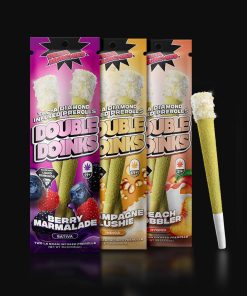
Original price was: $74.99.$59.99Current price is: $59.99.
Sale!
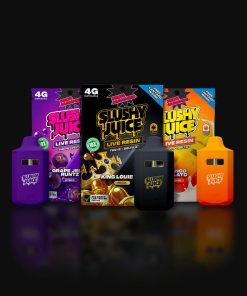
Out of stock
Original price was: $120.00.$89.99Current price is: $89.99.
Sale!
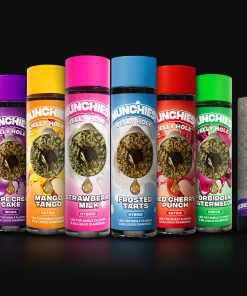
Original price was: $150.00.$99.00Current price is: $99.00.
Sale!
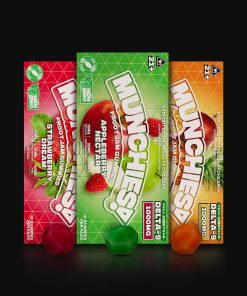
Original price was: $105.00.$94.50Current price is: $94.50.
Sale!
Original price was: $145.00.$114.99Current price is: $114.99.
Sale!
Out of stock
Original price was: $60.00.$44.99Current price is: $44.99.
Sale!
Original price was: $89.99.$79.99Current price is: $79.99.
Sale!
Price range: $89.99 through $112.50